A farmer’s market is not something that many people consider spending time at. For that reason, these markets are trying to bring them back to life and encourage more people to spend time enjoying all that they can find there. This means that instead of buying produce or livestock, people can expect more from their local markets. This also means that you can enjoy festival style fun at farmer’s markets everywhere.
The Fun of Festivals
Festivals are always fun. People go to them to see the things that they can find, whether it is shopping around at different booths to find handmade artwork or taste testing new foods made out of old favorites. There are strawberry festivals, watermelon festivals, and peanut festivals, as well as many others. Every region seems to have their own festival styles. At the farmer’s market, you can expect to find even more, especially when they combine food, fun, and the holiday spirit.
Scarecrow Festival Fun!
Holidays and More
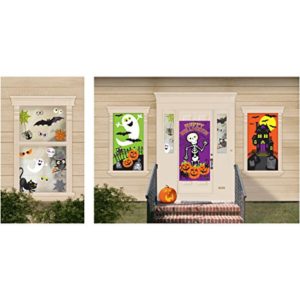
Think about the time of year that produce is being grown locally. Typically, it is going to be during the spring, summer, and fall. There are not many holidays during this time, but the ones that are most celebrated can be even more fun when combined with delicious treats and locally grown produce for you to take home. During the summer, you may consider celebrating Independence Day with fresh from the vine watermelons and other treats. Who doesn’t enjoy watching a watermelon eating contest? It is made even better by seeing fireworks when the sun goes down and many markets are providing it. There are also fall fruits, such as pumpkins, which turn into fabulous pies. At your local farmers market, you can purchase a gourd for your fall decorations, pumpkins for your pies, and corn to add to your cornucopia. You may also plan to go on a day when they are having a “Halloween Market”. They may also play host to a scarecrow festival where they will have bales of hay set up as mazes, hay rides, pumpkin carving contests, and costume contests for adults and kids. Wouldn’t that be the ideal time to bring out your womens poison ivy costume?
Get Ready for Fun
Your local farmer’s market can be a great place to spend time throughout the months of the year. Every season can bring something new and exciting to the area. It is no longer just to give you a place to purchase fresh fruit and vegetables, but that is also part of the experience of going to it. If your local market has not yet begun to celebrate the seasons, perhaps you should recommend that they start now. It is guaranteed to give the community a great way to enjoy the holidays and other special times for the area. Without the farmer’s markets, local growers would have less reason to grow produce. If they aren’t growing it, you may miss out on the fresh fruits and vegetables that your family enjoys the most. That is why you should encourage and enjoy festival style fun at your local farmer’s market.
Are you looking for something to do this weekend? For many people, it is a non-stop chore to come up with exciting things to do during the weekends for their family and most people do not think about visiting their local farmer’s market. Our goal is to change that for that Colorado residents and invite you to come see us this weekend at the farmers market.
What We Have Planned for Visitors
Most people think of a farmers market as a place to go to buy vegetables and fruits that are fresh from the garden. It is true. That is the primary reason for people to visit a market, but it isn’t the only reason. Our market has a variety of things for families to do, see, and enjoy on an every weekend basis, but then we also have special weekends where we expand to encourage more people to come and see us. This weekend, for instance, we are going to throw a party and everyone is invited. We invite you, your family, friends, and neighbors to come and see what a backyard BBQ can really be.
The Fun You Will Have at the Farmer’s Market
Our farmers market is designed to bring everyone closer. By visiting, you can show your support to local farmers who keep their produce free of chemicals. You can meet your neighbors and spend a little time enjoying all that we have to offer. Some of the activities you are invited to enjoy this weekend include pony rides and bounce houses for children, carnival rides for bigger kids, dunk tanks to support the local charities, and more. Kids can be allowed to run and play with other kids in the neighborhood. There will be games set up where everyone is guaranteed a prize for playing. These games include a duck pond, fishing game, and cake walks.
Parents can walk around and look at crafts that were created by locals. Everyone can spend the day simply enjoying a friendly atmosphere. In short, we will have fun, food, and a little bit of something to offer everyone who decides to attend. Since it is also going to be a little warm this weekend and we know that people do not enjoy the heat; we are also setting up areas to keep you cool.
Fun in the Sun
We invite everyone to wear a bathing suit to take advantage of sprinklers that will be set up for children to enjoy if they do not want to spend time in the best above ground pool from The Pool Guru that we could find. Sprinklers will be located near the pool, but they are ideal for young toddlers who may not be ready to tackle a swimming pool. At the pool, there will be people stationed around it to ensure that everyone is playing safe. If you or your children do not want to get wet, you can take a break in the shade of one of our set up picnic tents. There will be fans to further increase your comfort in these areas. In the event that it rains a little, some of these tents will be set up for the games, while others are designated to people who simply want a break from the activities.
Make Plans for Your Farmer’s Market Trip
Money is optional. Most of the games and activities are free to enjoy. Food, drinks, and crafts may cost you an affordable amount. You can visit and plan to spend the day or you can visit and spend just a few hours. We have been planning this party for months and we will have our BBQ come rain or shine. It is an even that will last the entire weekend, so you can make plans to visit us on Saturday or Sunday. We encourage you to attend and see what we have put our efforts into and then we encourage to keep your ears open for other events that will also be coming up in the near future. Our goal is to prove that a farmers market can be more than you may expect and we hope that eventually, you will decide to visit us every weekend at the farmers market to see what we have going on.
When people think about an outdoor farmer’s market, they may not think that it caters to people’s specific needs. They most likely think of a flea market that is designed for people to come in, walk around a little, and leave. In some cases, this may be true. However, it does not apply to our farmer’s market. We pride ourselves on being a place for families to go and spend the day. Therefore, we have a lot of on site facilities to make it possible.
The Facilities We Provide
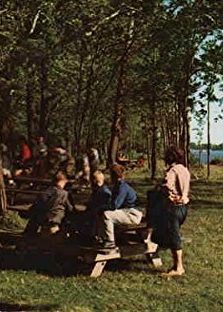
We have a lot of things that make us the best farmer’s market in all the surrounding area. We provide our visitors with enough to do and see to ensure that they want to spend the day with us. We discovered a long time ago that if you want people to stay, you have to give them a reason to stay and everything that they could possibly need while there. We have something for everyone and a place to relax when you need a break from walking. We have play areas for kids who are tired of walking around looking at fruits, vegetables, and merchandise, we have picnic areas for people to enjoy a lunch or a snack of fresh fruit recently purchased, a food court where you can enjoy a prepared meal, ATMs scattered randomly so that one is always nearby if you realize the vendor you want to buy from cannot accept your debit card, and more.
The one thing that surprises people about our farmer’s market is the quality of our facilities. During the warm summer months, our guests can relax in the shade if they begin to feel too warm. Picnic areas are covered and there are indoor areas where you can escape the heat nearby. Beyond that, our playgrounds are clean, our food areas are trash free, and our bathrooms are equipped with only the best that we could find. In fact, we have several restrooms located on the premises and all of them feature the best low flow toilet that we could find. The bathroom facilities are also clean. These toilets are designed to flush away all traces of the person who used it before and they meet our expectations completely. There are also people who are readily available to clean the bathroom areas that the toilet cannot touch. This is a far cry from porta pots which most people associate with an outdoor farmer’s market.
Why We Do So Much?
We take pride in our facility and we are doing our part to ensure that the people who want fresh items can have easy access to them. We also enjoy knowing that our farmers market can be more than just a farmer’s market. To you, the idea of toilets that flush may be unique among other markets like ours, and it may not seem like a big deal. To us, it is proof that we are up to the challenge of giving our guests the things that they need. We like knowing that our toilets are always clean and ready for the next person and that there is no risk of them saying how nasty the toilet is. It helps us, it helps our vendors, and it helps those who choose to spend a day with us.
Since we put in so much effort to our facilities, there are concerts held here and many other special events. None of those things would be possible in our eyes if we had a market that was unable was miserable to go to. We want people to eat healthier and for them to be able to find the food that they want to eat. We want kids to come visit us with their parents and feel excited by the idea of returning again in the near future. We want older citizens to feel that they can come see us and take a break when they need to. In short, we do all that we can do to ensure that everyone feels at home within our farmer’s market gates. What more could you ask or hope for from your local farmer’s market?
Do you love the idea of eating fresh, homegrown, fruits and vegetables? If you are like most people you do. That is why many people choose to make use of their local farmer’s market. They provide fruit and vegetables that are organically grown by local farmers. Not those that are grown in areas far away and with chemicals to make them look prettier. However, many people miss out on their market because they think it is for livestock sales or never open when they are ready to go. This can be solved by understanding how it works and the farmers market operating hours.
What Our Market Offers
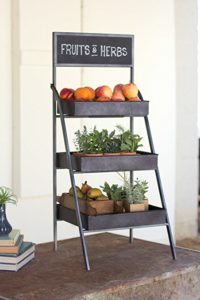
Our farmers market offers a variety of fresh produce thanks to the local farmers in our area. The availability of the things that we offer change frequently, but most all our farmers try to provide specific produce during each of the four seasons. During times when produce is not readily available, they may sell stuff that they have canned or packaged during a time when they were able to grow their items. Our market also gives people a place to put the crafts that they have created with their own hands and there are some merchandise stands for retail items as well. Our goal is to give people variety so that they can support their local farmers and others within the community.
Our Hours of Operation
We often receive complaints from people who attempted to stop by and found our gates closed. This is because we are generally only open during select hours of the weekend. Our vendors often have other jobs that they work at during the weekdays or they spend their week harvesting to get ahead so they can set up their booth on Saturday. It seems to work better for everyone because most families that would venture to a farmer’s market like ours often work or have other things that they also need to do during the week. The good news is; our market can also be used for other things during the week when it is normally closed.
When the Farmer’s Market Closes
Occasionally, you may ride past or see that our gates are opened on Friday. This is usually because of an event that we have going. Livestock sales, rodeos, charity events, and other stuff are usually done on Friday. There are several locals who wanted the option to host events in an area that was safe and set up for it. We have the space and we do our best to ensure that it is safe.
When closed, we wanted to provide safety to our booths and searched everywhere for a wrought iron gate for sale that we would be able to lock up when necessary. To make it easier on those who need to use it during the week, we also wanted to make it easy for them to access. This meant purchasing rolling gate hardware from Driveway Gates For Sale that could withstand a lot of activity and not stick closed or cause problems. The reason for gates and hardware is simple. It keeps people from wandering around when no one is there, but makes it easier for people who belong there to gain entry.
 A farmer’s market is not something that many people consider spending time at. For that reason, these markets are trying to bring them back to life and encourage more people to spend time enjoying all that they can find there. This means that instead of buying produce or livestock, people can expect more from their local markets. This also means that you can enjoy festival style fun at
  Think about the time of year that produce is being grown locally. Typically, it is going to be during the spring, summer, and fall. There are not many holidays during this time, but the ones that are most celebrated can be even more fun when combined with delicious treats and locally grown produce for you to take home. During the summer, you may consider celebrating Independence Day with fresh from the vine watermelons and other treats. Who doesn’t enjoy watching a watermelon eating contest? It is made even better by seeing fireworks when the sun goes down and many markets are providing it. There are also fall fruits, such as pumpkins, which turn into fabulous pies. At your local farmers market, you can purchase a gourd for your fall decorations, pumpkins for your pies, and corn to add to your cornucopia. You may also plan to go on a day when they are having a “Halloween Market”. They may also play host to a scarecrow festival where they will have bales of hay set up as mazes, hay rides, pumpkin carving contests, and costume contests for adults and kids. Wouldn’t that be the ideal time to bring out your
  Parents can walk around and look at crafts that were created by locals. Everyone can spend the day simply enjoying a friendly atmosphere. In short, we will have fun, food, and a little bit of something to offer everyone who decides to attend. Since it is also going to be a little warm this weekend and we know that people do not enjoy the heat; we are also setting up areas to keep you cool.
 We invite everyone to wear a bathing suit to take advantage of sprinklers that will be set up for children to enjoy if they do not want to spend time in the best above ground pool from
  We have a lot of things that make us the best farmer’s market in all the surrounding area. We provide our visitors with enough to do and see to ensure that they want to spend the day with us. We discovered a long time ago that if you want people to stay, you have to give them a reason to stay and everything that they could possibly need while there. We have something for everyone and a place to relax when you need a break from walking. We have play areas for kids who are tired of walking around looking at fruits, vegetables, and merchandise, we have picnic areas for people to enjoy a lunch or a snack of fresh fruit recently purchased, a food court where you can enjoy a prepared meal, ATMs scattered randomly so that one is always nearby if you realize the vendor you want to buy from cannot accept your debit card, and more.
 We take pride in our facility and we are doing our part to ensure that the people who want fresh items can have easy access to them. We also enjoy knowing that our farmers market can be more than just a farmer’s market. To you, the idea of toilets that flush may be unique among other markets like ours, and it may not seem like a big deal. To us, it is proof that we are up to the challenge of giving our guests the things that they need. We like knowing that our toilets are always clean and ready for the next person and that there is no risk of them saying how nasty the toilet is. It helps us, it helps our vendors, and it helps those who choose to spend a day with us.
 Our farmers market offers a variety of fresh produce thanks to the local farmers in our area. The availability of the things that we offer change frequently, but most all our farmers try to provide specific produce during each of the four seasons. During times when produce is not readily available, they may sell stuff that they have canned or packaged during a time when they were able to grow their items. Our market also gives people a place to put the crafts that they have created with their own hands and there are some merchandise stands for retail items as well. Our goal is to give people variety so that they can support their local farmers and others within the community.